
Fumigation vs. Traditional Pest Control: Key Differences
People seeking fumigation pest control aim to eliminate severe infestations, and local service providers can help determine whether fumigation or traditional methods are best suited for their needs.
Understanding the differences between fumigation and traditional pest control methods is essential for property owners facing pest issues. Whether dealing with a stubborn infestation or seeking a long-term solution, knowing which approach aligns best with specific needs can make a significant difference. This page is designed to help readers explore practical reasons for considering each method, especially in the context of local challenges such as severe infestations or particular pest types. By examining key distinctions, property owners can make informed decisions and connect with local service providers who specialize in both fumigation and traditional pest control techniques.
For those interested in pest management options, it’s important to recognize how fumigation differs from conventional treatments. Fumigation often offers a comprehensive approach for severe or widespread infestations, while traditional pest control typically involves ongoing treatments for prevention and maintenance. Local contractors skilled in both methods can provide tailored advice based on the unique circumstances of each property. Continuing to explore this topic can help property owners identify the most effective strategy for their situation and find trusted professionals who can handle the job efficiently and effectively.
- Fumigation pest control services are suitable for severe infestations where comprehensive treatment is needed, and local contractors use specialized equipment to ensure thorough coverage.
- Traditional pest control services are often preferred for ongoing maintenance and prevention, with local pros applying targeted treatments for common pests.
- Fumigation services are typically required for pests hidden within structures, with local providers managing the process to contain and eliminate pests effectively.
- Traditional pest control options are ideal for routine pest management, where local contractors use sprays and traps to control pests over time.
- Fumigation pest control is a specialized approach for infestations that cannot be resolved with standard methods, with local pros customizing treatment plans accordingly.
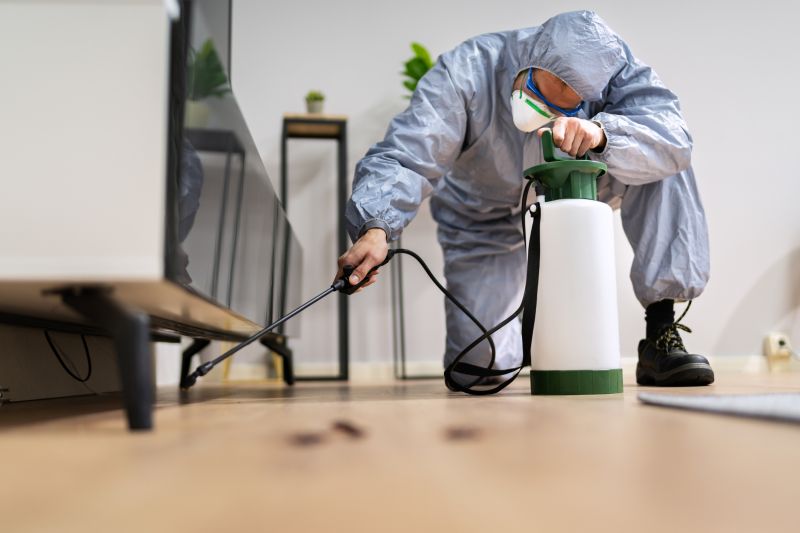
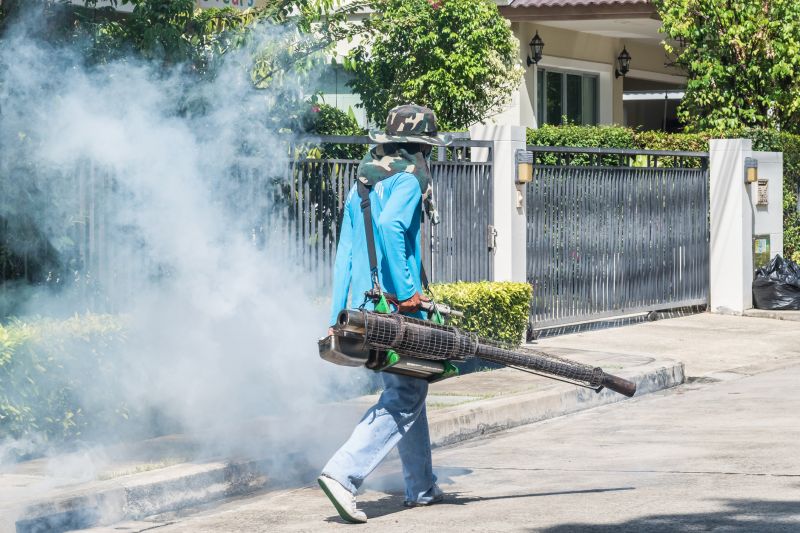

When people search for information about fumigation versus traditional pest control, they are often trying to understand the differences between these two approaches to managing pest problems. This topic usually comes up when homeowners are facing significant infestations or dealing with pests that are difficult to eliminate using standard methods. The goal is to determine which treatment option is most effective for their specific situation, whether they are dealing with termites, bed bugs, or other persistent pests. Understanding these differences helps homeowners make informed decisions about how to proceed, especially when considering the scope of the problem and the types of pests involved.
The core distinction between fumigation and traditional pest control lies in the methods used to eliminate pests and the situations they are best suited for. Traditional pest control typically involves targeted application of pesticides to specific areas, often with ongoing treatments to prevent future infestations. Fumigation, on the other hand, involves sealing off the property and introducing a gas or vapor that penetrates all areas, killing pests throughout the structure. This approach is generally reserved for severe infestations, such as termite colonies or bed bug outbreaks that have spread extensively. Homeowners often explore this topic when planning a comprehensive pest management strategy for large or heavily infested properties.
Properties that come up in discussions about fumigation versus traditional pest control tend to include larger structures like multi-family buildings, warehouses, or historic homes, as well as residential properties with severe pest problems. Fumigation is often considered for properties where pests have penetrated hard-to-reach places or when infestations are widespread. Traditional pest control services are typically suitable for smaller infestations or ongoing prevention in homes, apartments, and commercial spaces. The choice between these methods depends on the extent of the pest problem, the type of pests involved, and the property’s layout. Local service providers specializing in either approach can assess the situation and recommend the most effective treatment plan.
For homeowners, understanding how fumigation differs from traditional pest control helps clarify which service might be needed for their specific project. Fumigation services are generally used for large-scale, severe infestations that require a full property treatment to eradicate pests thoroughly. Traditional pest control, meanwhile, offers ongoing or targeted treatments that are effective for less extensive problems or as preventive measures. Local contractors skilled in both methods can provide tailored advice based on the property’s size, pest type, and infestation severity. Recognizing these key differences ensures homeowners can select the appropriate pest management approach and work with experienced professionals to effectively address their pest concerns.
Termite Treatment Projects - Local contractors specializing in termite treatments often utilize fumigation and traditional pest control methods to eliminate infestations, requiring careful planning and application skills.
Rodent Control Initiatives - Rodent exclusion and removal projects involve pest control techniques that share tools and strategies with fumigation and traditional pest management approaches.
Bed Bug Eradication Services - Bed bug treatments frequently involve fumigation or targeted traditional methods, with service providers applying precise planning and equipment similar to pest control processes.
Wildlife Removal Projects - Removing nuisance wildlife sometimes requires pest control skills and tools, especially when using trapping or exclusion techniques related to pest management strategies.
Kitchen and Food Facility Pest Control - Projects focused on pest prevention in food-related environments depend on detailed planning and pest control tools comparable to those used in fumigation and traditional methods.
Structural Pest Inspection Services - Inspecting buildings for pest activity involves identifying signs that lead to fumigation or traditional pest control treatments, requiring similar assessment skills.

When comparing local service providers for fumigation versus traditional pest control, it is important to consider their experience with similar projects. Fumigation often involves specialized procedures aimed at eliminating pests throughout an entire structure, which can differ significantly from the more targeted approach of traditional pest control methods. Contractors with a proven track record handling properties of comparable size and pest issues are more likely to understand the nuances of each method and deliver effective results. Asking for references or examples of past work can help gauge their familiarity with the specific requirements of fumigation and traditional treatments, ensuring that the chosen provider has the appropriate expertise for the job.
Clear, written expectations are essential when evaluating local contractors for pest control services. Different pest issues and property types may require distinct approaches, especially when deciding between fumigation and traditional methods. A reputable service provider should be able to outline the scope of work, the procedures involved, and any preparations or follow-up steps needed. Having these details in writing helps prevent misunderstandings and ensures that homeowners are fully informed about what each treatment entails. This clarity can also assist in comparing the services offered by different providers, making it easier to determine which one aligns best with the specific needs of the property.
Reputable references and effective communication are key factors to consider when choosing local pros for pest control services. Reliable contractors should be able to provide references from past clients who had similar pest issues or property types. Good communication throughout the process-such as prompt responses to questions and transparency about treatment options-can help homeowners feel more confident in the chosen provider. Since fumigation and traditional pest control methods have different implications, selecting a service provider who is responsive and transparent can contribute to a smoother experience and better results. Ultimately, these qualities help ensure that the pest management approach is tailored appropriately and executed professionally.
Property owners often search for fumigation vs. traditional pest control: key differences when they are planning practical projects around their homes and businesses. Local pros provide Fumigation Pest Control services for everyday jobs and straightforward project options.
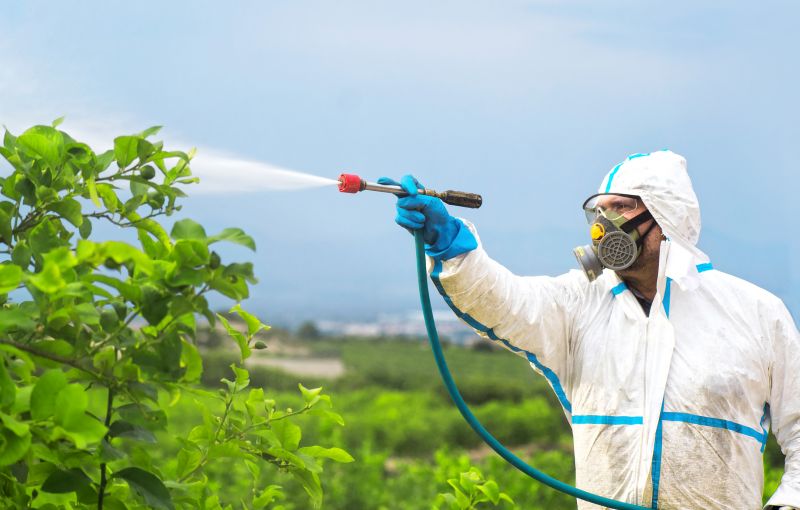

When property owners in the area face pest issues, understanding the differences between fumigation vs. traditional pest control can influence their decision-making. Fumigation typically involves treating an entire structure with a gas to eliminate pests that are deeply embedded or difficult to reach, making it suitable for severe infestations or specific pests like termites or bed bugs. Traditional pest control, on the other hand, often relies on targeted treatments such as sprays, baits, or traps to address pests in a more localized manner. Homeowners considering these options may look into local contractors who specialize in either approach to determine which method best fits their situation, especially for ongoing pest management or unique property needs.
Property owners often seek information on fumigation vs. traditional pest control to find effective solutions for their pest problems. Simple reasons include the severity of the infestation, the type of pests involved, and the level of treatment needed to protect their homes. Local service providers can offer insights into which method might be more appropriate based on the specific circumstances, whether it’s a one-time fumigation for a serious problem or regular traditional treatments for ongoing pest control. Comparing these approaches helps homeowners make informed choices and connect with the right local contractors to handle their pest control needs efficiently.
What is the main difference between fumigation and traditional pest control? Fumigation involves using gaseous pesticides to eliminate pests in a structure, often covering the entire space, while traditional pest control typically uses liquid or granular treatments targeting specific pests on contact or through residual application.
When should someone choose fumigation over traditional pest control? Fumigation is generally recommended for severe infestations or when pests like termites or bed bugs are deeply embedded, whereas traditional pest control is suitable for routine or less extensive pest issues handled by local contractors.
Are fumigation services more comprehensive than traditional pest control? Yes, fumigation can penetrate hard-to-reach areas and eliminate pests throughout an entire structure, making it more effective for widespread infestations compared to targeted traditional treatments performed by local service providers.
Can traditional pest control handle all types of pests compared to fumigation? Traditional pest control is effective for many common pests such as ants, roaches, and rodents, but fumigation is often necessary for pests like termites or bed bugs that require deep treatment methods.
How do local pros determine whether fumigation or traditional pest control is needed? They assess the type of pest, the extent of the infestation, and the structure's condition to recommend the most effective approach, whether that involves fumigation or standard pest control methods.
Understanding pest types - Recognizing whether pests are subterranean or surface-dwelling can help property owners choose between fumigation and traditional methods, with local contractors offering assessments tailored to specific infestations.
Assessing property size and structure - Larger or complex buildings may benefit from fumigation services, while smaller spaces might be effectively managed with traditional pest control, with local pros providing guidance on suitable options.
Considering treatment duration - Fumigation often requires a few days for complete results, making it suitable for urgent infestations, whereas traditional methods may be more appropriate for ongoing maintenance, with local service providers advising on timing.
Planning for safety and prep - Property owners can work with local contractors to prepare their spaces appropriately, ensuring safe and effective pest control regardless of the chosen method.
If you are thinking about fumigation vs. traditional pest control: key differences for a property, this guide is meant to help you understand this topic, the typical project types, and how different options might fit your plans.
When you are ready, you can use the quote form on this page to share a few details about your project. From there, local pros can review the basics and follow up with options that match what you have in mind.