
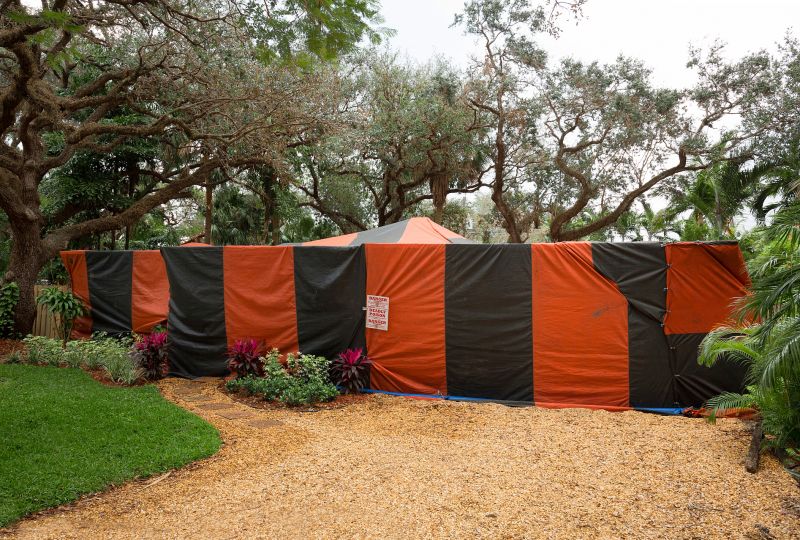
Tent Fumigation in Long Island, NY
Tent fumigation services involve the controlled use of specialized gases to eliminate pests such as bed bugs, termites, or other invasive insects from residential properties. This process is typically used for larger infestations or when pests are deeply embedded within structures, including walls, furniture, and other concealed areas. Property owners often request tent fumigation for extensive pest problems that cannot be resolved through traditional treatments, ensuring thorough eradication and preventing future infestations.
Before requesting tent fumigation, homeowners should understand the scope of the process, including the need to vacate the property during treatment and the preparation steps required beforehand. It is also important to consider the potential impact on personal belongings and to plan for post-treatment airing and cleaning. Clear communication about the project’s specifics can help ensure a smooth and effective fumigation experience.
Many property owners in Long Island, NY look into Tent Fumigation for repairs, replacements, upgrades, and appearance-related improvements.
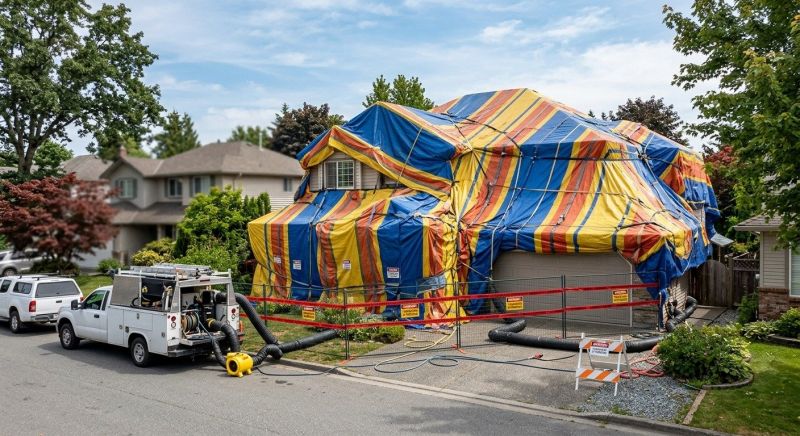
Tent Fumigation Services
Examples of tent fumigation work property owners may explore in long island, ny.
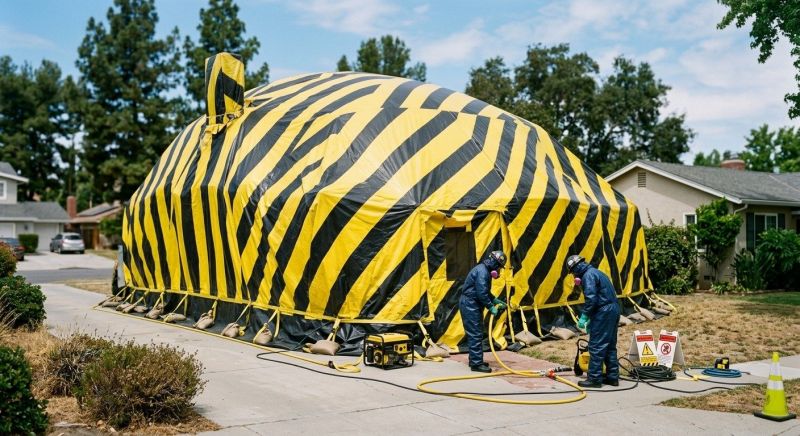
Tent Fumigation Updates
Common ways people refresh, improve, or restore tent fumigation features in long island, ny.
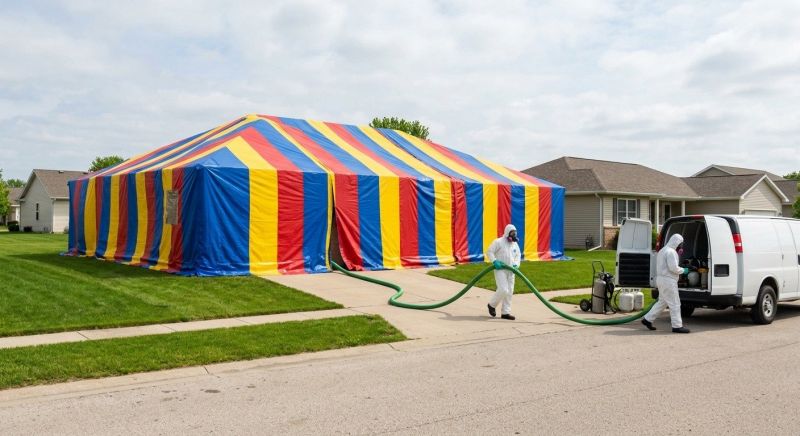
Tent Fumigation Options
Different styles, layouts, and finishes people consider for tent fumigation in long island, ny.
Tent Fumigation in Long Island, NY

Tent fumigation services involve the controlled use of specialized gases to eliminate pests such as bed bugs, termites, or other invasive insects from residential properties. This process is typically used for larger infestations or when pests are deeply embedded within structures, including walls, furniture, and other concealed areas. Property owners often request tent fumigation for extensive pest problems that cannot be resolved through traditional treatments, ensuring thorough eradication and preventing future infestations.
Before requesting tent fumigation, homeowners should understand the scope of the process, including the need to vacate the property during treatment and the preparation steps required beforehand. It is also important to consider the potential impact on personal belongings and to plan for post-treatment airing and cleaning. Clear communication about the project’s specifics can help ensure a smooth and effective fumigation experience.
Many property owners in Long Island, NY look into Tent Fumigation for repairs, replacements, upgrades, and appearance-related improvements.
Common Tent Fumigation Jobs
Tent Fumigation Services - Provides comprehensive treatment to eliminate pests inside tents covering structures.
Structural Fumigation - Treats entire buildings to eradicate termites, bed bugs, or other pests.
Pre-Construction Fumigation - Prepares new or renovated properties by removing existing pests before construction.
Post-Construction Fumigation - Clears pests from newly completed or renovated properties to ensure a pest-free environment.
Pest Infestation Removal - Targets specific pest problems with targeted tent fumigation methods.
Emergency Fumigation - Offers quick response for urgent pest control needs requiring tent-based treatment.
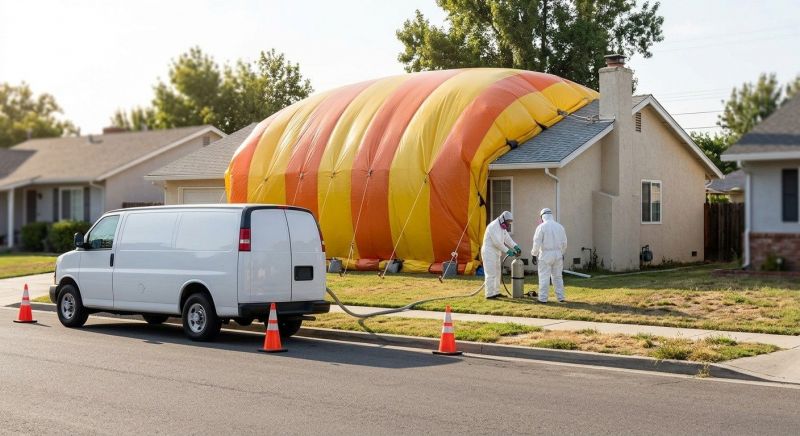
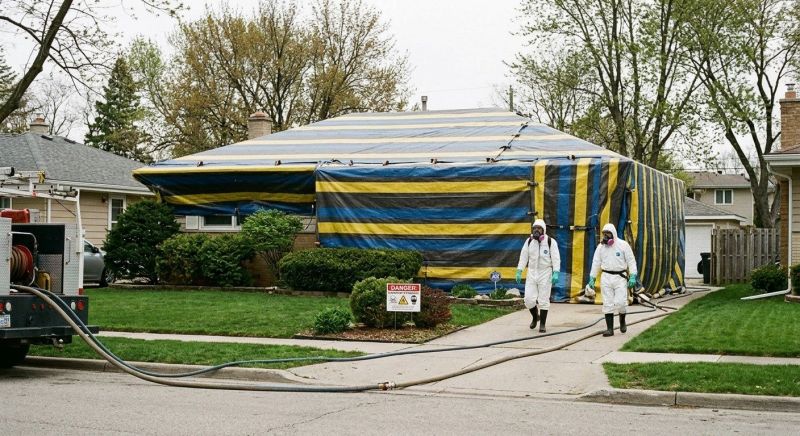
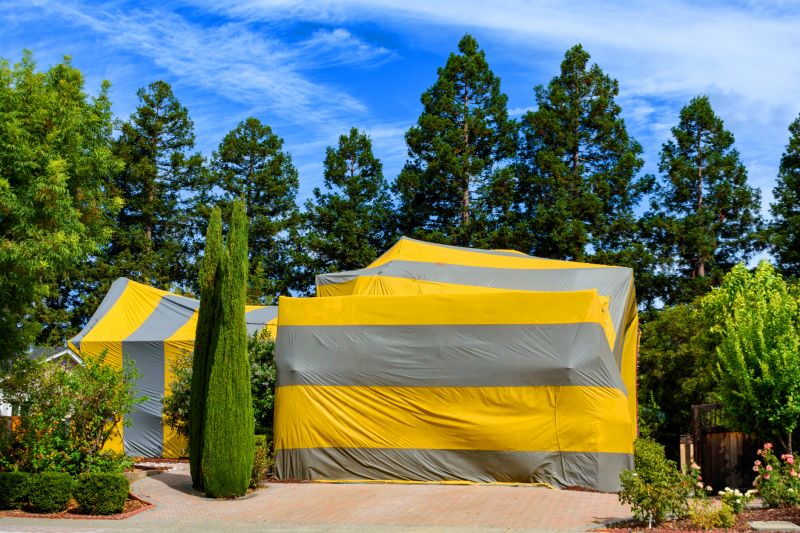
Tent Fumigation Questions
What is tent fumigation used for? Tent fumigation is effective for treating entire structures to eliminate pests like termites, bed bugs, and other invasive insects.
How does tent fumigation work? The process involves enclosing the property in a tent and releasing a fumigant to penetrate all areas, targeting pests throughout the structure.
Is tent fumigation safe for property contents? Yes, the process is designed to contain the fumigant within the tent, minimizing exposure to contents and surrounding areas.
What types of properties can be fumigated? Tent fumigation is suitable for residential homes, apartments, and certain commercial buildings needing pest eradication.
Request Tent Fumigation in Long Island, NY
Use the quote form on this page to share the basics of your project and request more information for the type of work you need.